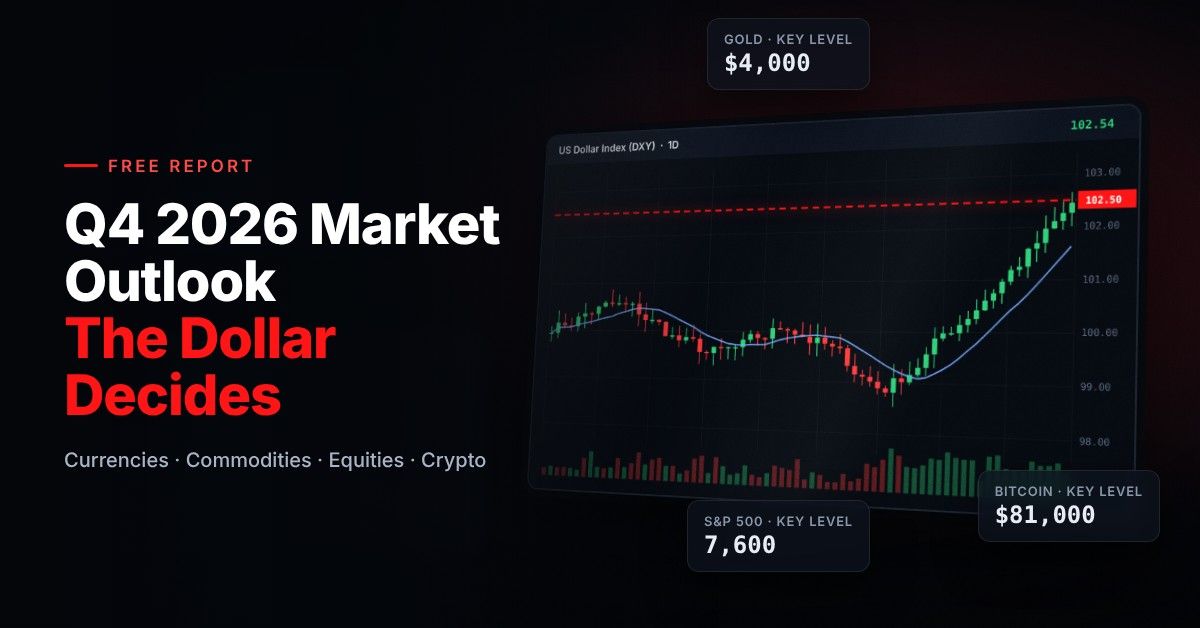
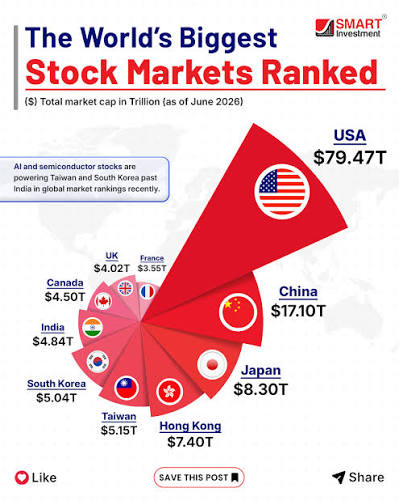
Global markets are at a turning point as 2026 approaches. Stocks face selective growth, crypto enters a phase of maturity, and commodities—especially metals—gain importance. This article explores key trends shaping the next market cycle.
Global markets on January 26, 2026 show clear divergence as gold and defensive assets outperform, while equities and risk assets face volatility and pressure.
Futures markets enter mid-February cautiously optimistic as equities stabilize near record highs, metals recover from historic volatility, and key jobs and CPI data loom.
U.S. stocks ended the week on a strong note as leadership broadened across sectors. BlackRock surged after standout earnings, while GE Aerospace, Dycom Industries, Medpace Holdings, and Photronics showed constructive technical setups. With earnings season underway and a shortened trading week ahead, these five names are emerging as key stocks investors are closely watching.
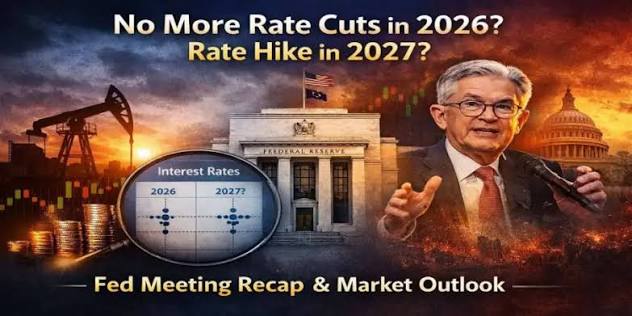
The Fed held rates steady in January 2026, but will they cut later this year? Markets expect 2-3 cuts as inflation cools and job growth slows. Here's what to watch.
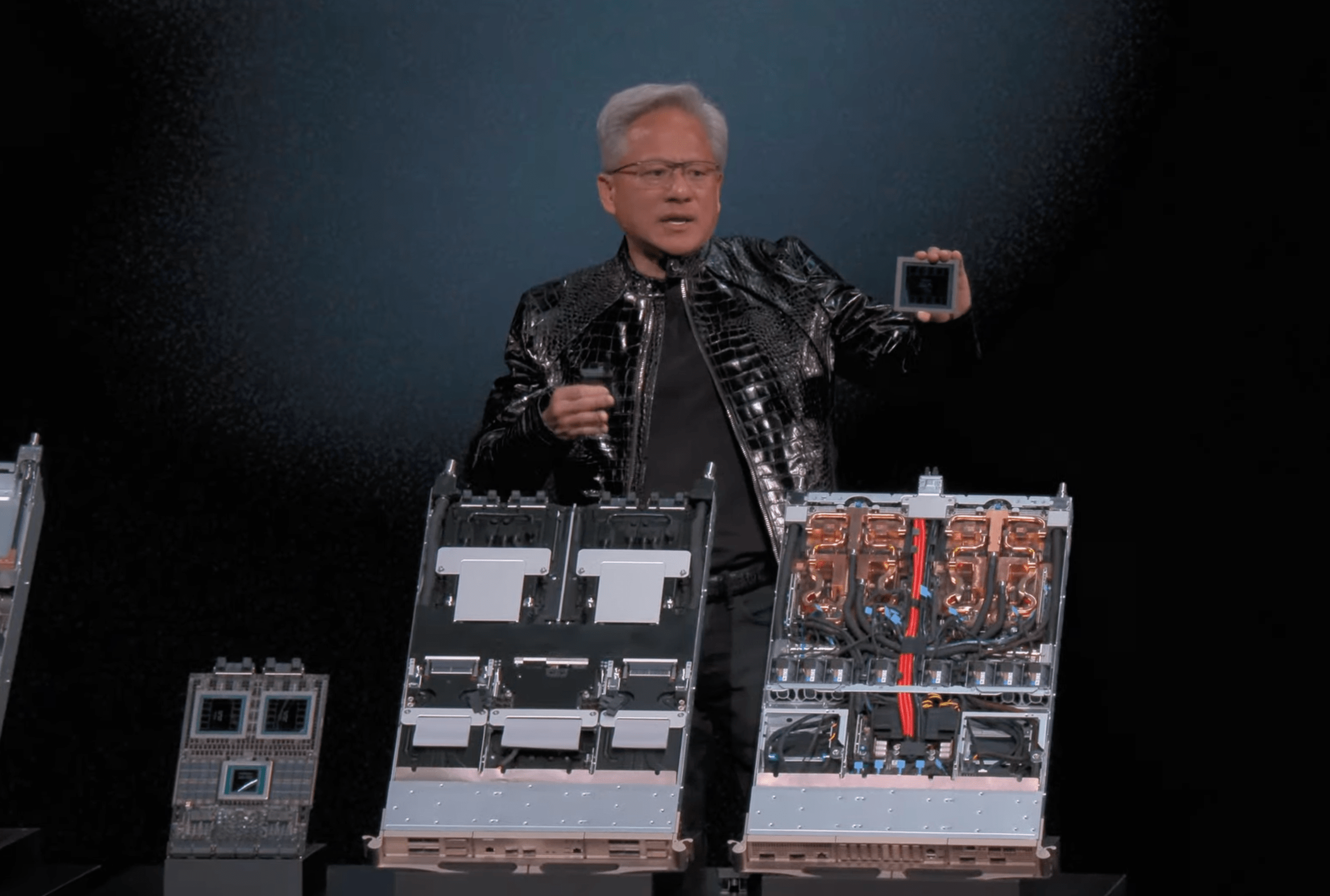
Nvidia launches Rubin AI platform with 10x cost savings and DLSS 4.5 gaming tech, reshaping both enterprise AI and consumer graphics in 2026.
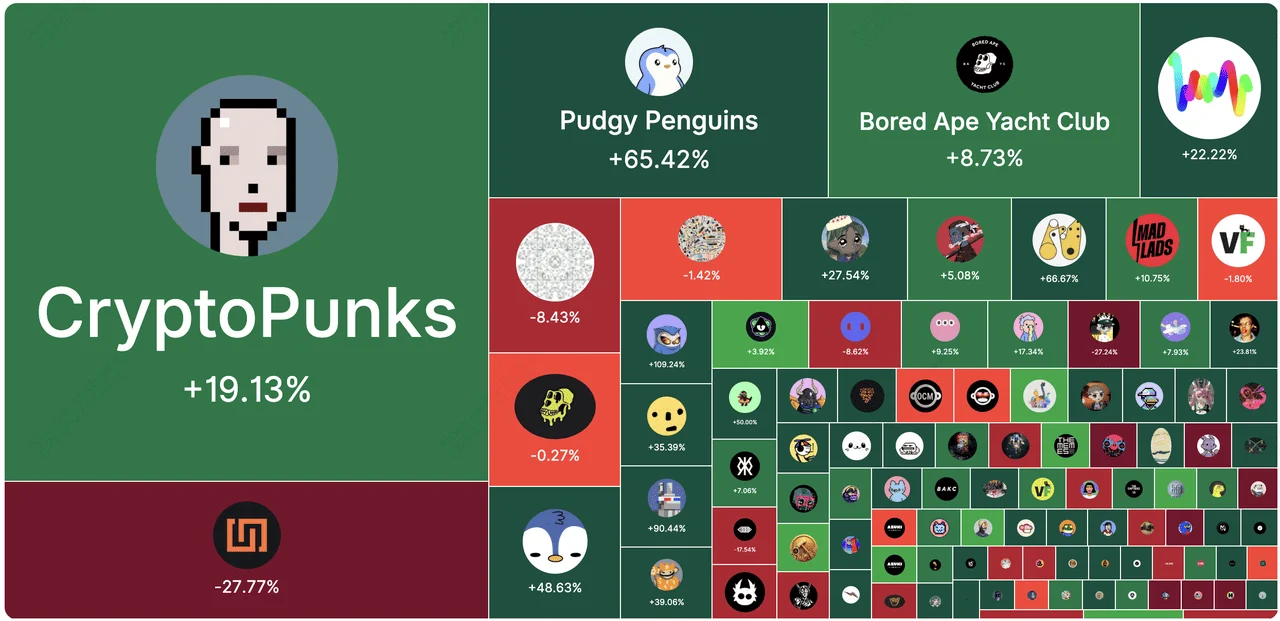
Despite a weak crypto market, Axie Infinity, Pudgy Penguins, and Berachain are trending in 2026, driven by gaming, NFTs, and DeFi innovation.
The US-Argentina trade deal 2026 represents a historic shift in bilateral relations, slashing hundreds of tariffs and opening markets. Learn how the Trump-Milei agreement impacts beef imports, pharmaceutical trade, and reshapes South American economic policy.
Silver crashed 31.4% in its worst day since 1980, wiping out billions in value. Discover what triggered the historic silver market collapse, the role of margin requirements, Fed policy fears, and parallels to Silver Thursday.
Canadian Prime Minister Mark Carney’s Davos 2026 speech declaring the end of the rules-based international order sent shockwaves through global diplomacy. An in-depth analysis of his call for middle powers to unite.
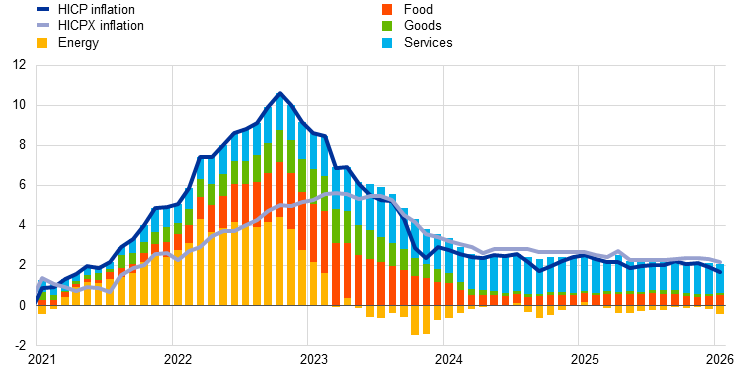
The European Central Bank held interest rates unchanged in February 2026, maintaining the deposit rate at 2.00%. Analysis of ECB monetary policy, eurozone inflation at 1.7%, and economic resilience
Bitcoin’s crash revived “zero” predictions. But real collapse would require global bans, technical failure, and total loss of belief—not just market fear.