Introduction: A Historic Trade Partnership
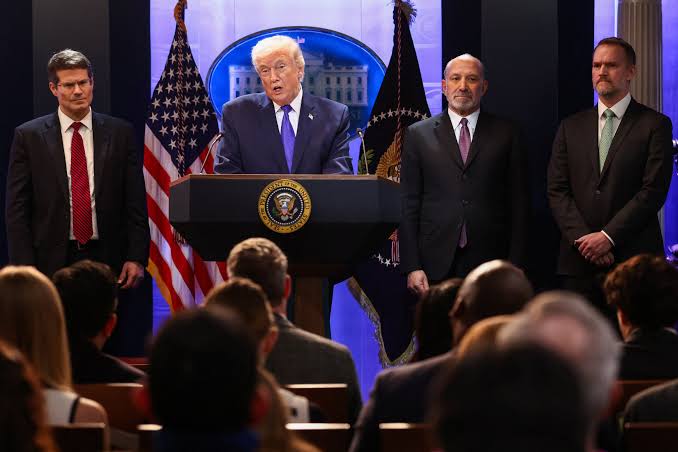
On February 6, 2026, the United States and Argentina finalized a groundbreaking reciprocal trade and investment agreement that marks a significant milestone in bilateral relations between the two nations. According to the Office of the United States Trade Representative, this comprehensive deal, formally known as the Agreement on Reciprocal Trade and Investment (ARTI), represents the first major trade agreement signed under the second Trump administration and reflects the deepening ideological alliance between President Donald Trump and Argentine President Javier Milei.
The agreement eliminates or reduces tariffs on thousands of products, opens key sectors to bilateral investment, and establishes frameworks for cooperation on critical minerals, energy, and national security. More than just an economic arrangement, this deal symbolizes a strategic partnership built on shared free-market principles and aligned geopolitical interests.
Key Provisions of the US-Argentina Trade Deal
Tariff Reductions and Market Access
Argentine Commitments:
Argentina agreed to eliminate trade barriers on more than 200 categories of American goods. Reuters reports that these include chemicals and pharmaceutical products, machinery and medical devices, information technology products, agricultural goods, and motor vehicles. For politically sensitive sectors like vehicles, live cattle, and dairy products, Argentina established tariff-free quotas rather than complete elimination.
US Commitments:
The United States agreed to eliminate reciprocal tariffs on 1,675 Argentine products, generating an estimated $1 billion in additional export revenue for Argentina. According to Bloomberg, these products include natural resources unavailable in the US, pharmaceutical ingredients, and specialty agricultural products.
The Controversial Beef Component
Perhaps the most politically contentious aspect of the deal involves beef imports. The Wall Street Journal notes that the agreement quadruples the amount of Argentine beef that can enter the United States at a reduced tariff rate, increasing from 25,000 to 100,000 tons per year. This provision has drawn sharp criticism from American cattle ranchers and Republican lawmakers who worry about increased competition with domestic producers.
The Political Context: Trump-Milei Alliance
The trade agreement cannot be understood apart from the personal and ideological alliance between Presidents Trump and Milei. The Financial Times reports that in 2025, as market turmoil threatened to derail Milei's free-market reforms, Trump offered his ally a $20 billion credit line. This financial support helped Milei avoid a currency devaluation and contributed to his decisive electoral victory.
Economic Impact and Analysis
For comprehensive trade statistics and economic data, the World Trade Organization provides detailed analysis of bilateral trade flows. The deal's benefits for both nations are substantial, though implementation challenges remain.
Conclusion
The US-Argentina Agreement on Reciprocal Trade and Investment represents a significant milestone in bilateral relations. For updates on implementation and analysis, refer to the US Department of Commerce and Argentina's Ministry of Foreign Affairs.