Global investors are asking the same question right now: why are global markets falling today? Major stock indices across the United States and Europe are trading lower, risk appetite is weakening, and volatility is returning to financial markets.
From the Dow Jones and Nasdaq to the FTSE 100 and DAX, broad-based declines are being driven by a mix of macroeconomic pressures, inflation concerns, and shifting monetary policy expectations. In this detailed market breakdown, we explain what is happening, why it matters, and what investors should watch next.
What Is Happening in Global Markets Right Now?
US equity markets opened under pressure, with the Dow Jones Industrial Average slipping amid concerns over corporate earnings and macroeconomic uncertainty. The technology-heavy Nasdaq Composite also declined as growth stocks faced renewed selling pressure.
You can track real-time performance of the Dow Jones Industrial Average here:
For broader tech sector movement, see the Nasdaq Composite index overview:
European markets followed a similar pattern. The FTSE 100 in the UK and Germany’s DAX index moved lower as global growth fears and energy price concerns weighed on sentiment.
Market weakness is not isolated to one region. Instead, it reflects a coordinated risk-off move across global financial markets.
Higher Interest Rate Expectations Are Pressuring Stocks
One of the primary reasons global markets are falling today is the expectation that central banks may keep interest rates elevated for longer than previously anticipated.
The US Federal Reserve has maintained a cautious tone in recent policy communications. Investors closely monitor updates from the Federal Reserve monetary policy page to gauge future rate direction:
Higher interest rates increase borrowing costs for businesses and consumers. This typically reduces spending, slows economic growth, and puts pressure on stock valuations, particularly high-growth companies.
Similarly, the European Central Bank has signaled continued vigilance on inflation. The ECB’s policy stance can be reviewed directly on the European Central Bank official website:
When monetary conditions tighten globally, equity markets often react negatively.
Persistent Inflation Is Adding to Market Volatility
Another key factor behind today’s market decline is ongoing inflation pressure. Despite efforts to stabilize prices, inflation in major economies remains above long-term targets.
The latest US consumer price data can be found in the official Bureau of Labor Statistics CPI report:
Elevated inflation affects markets in multiple ways. It reduces consumer purchasing power, compresses corporate profit margins, and increases the likelihood of further interest rate hikes.
When inflation data comes in hotter than expected, investors often sell equities and move toward safer assets such as bonds or gold.
Tech Sector Weakness Is Dragging the Nasdaq Lower
Technology stocks have been a major driver of market rallies over recent years. However, they are also highly sensitive to interest rate expectations.
When bond yields rise, the present value of future earnings declines, which disproportionately impacts growth stocks. This dynamic is contributing to Nasdaq underperformance in the current session.
Market participants are also reacting to earnings guidance from major tech companies. Even small downward revisions in future revenue projections can trigger broad sell-offs across the sector.
As a result, the question “why is the Nasdaq falling today?” is closely tied to interest rate outlook and tech valuation concerns.
Global Economic Slowdown Fears Are Growing
Beyond inflation and rates, investors are increasingly worried about a potential economic slowdown.
The World Bank recently outlined global growth concerns in its Global Economic Prospects report:
Slowing manufacturing activity, weaker consumer demand, and geopolitical tensions have all contributed to cautious investor sentiment.
When economic growth slows, corporate earnings expectations are revised downward. Stock prices typically adjust in anticipation of weaker future profits.
This is one reason why global markets are falling today across multiple sectors rather than in isolated industries.
Commodity Prices and Safe-Haven Moves
Gold prices often rise when equity markets decline, as investors seek safe-haven assets. You can monitor historical and current gold movements via Kitco’s gold price charts
Crude oil prices also play a role in shaping market direction. Rising energy costs can fuel inflation, while falling oil prices may signal weakening demand. Energy data from the US Energy Information Administration provides insights into oil trends:
Commodity volatility frequently amplifies equity market swings.
Is This a Market Correction?
Some analysts are beginning to question whether the current decline could evolve into a broader market correction.
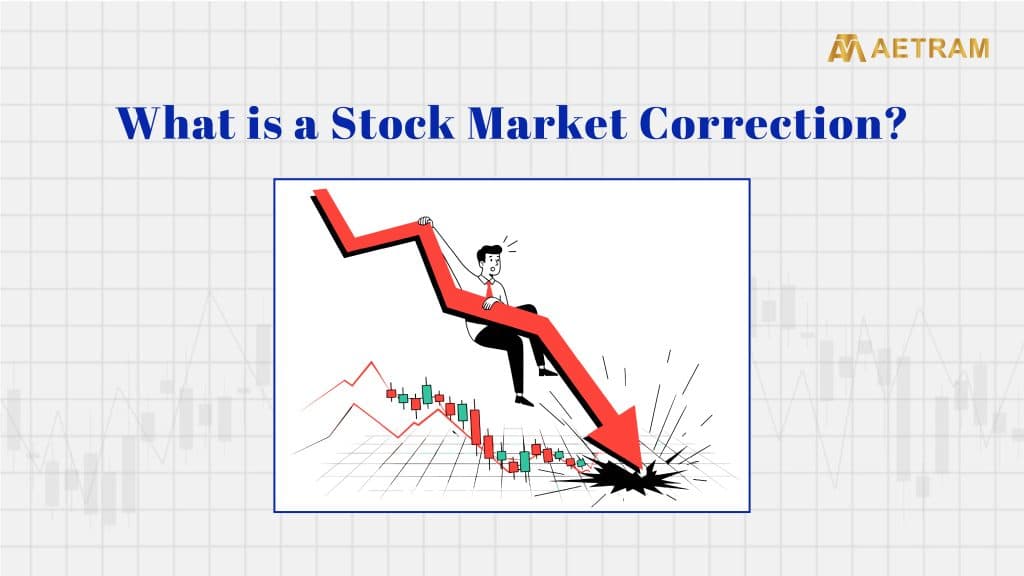
A market correction is typically defined as a decline of 10 percent or more from recent highs. For a detailed explanation, see Investopedia’s definition of a market correction
At this stage, markets appear to be experiencing heightened volatility rather than a confirmed correction. However, sustained macro pressure could push indices lower if economic data disappoints further.
What Should Investors Watch Next?
Investors should closely monitor upcoming economic releases, especially inflation data, employment reports, and central bank commentary. Corporate earnings guidance will also be crucial in determining whether current weakness is temporary or the start of a longer trend.
Market downturns often create opportunities for long-term investors, but timing and risk management remain critical.
Diversification across sectors and asset classes may help reduce volatility exposure during uncertain periods.
Final Thoughts on Why Global Markets Are Falling Today
Global markets are under pressure due to a combination of higher interest rate expectations, persistent inflation, tech sector weakness, and growing concerns about global economic slowdown.
While short-term volatility can be unsettling, it is not uncommon during periods of macroeconomic transition. Investors who remain informed and disciplined are better positioned to navigate uncertainty.
As economic data continues to evolve, markets will adjust accordingly. For now, the key question remains not just why global markets are falling today, but how long the current risk-off environment will last.