This week might be one of the most important in Silicon Valley's recent history. Not because of some groundbreaking product launch or dramatic merger, but because four of the world's most valuable companies are about to justify their spending habits to Wall Street. And those habits? They're expensive.
Meta, Microsoft, and Tesla all report earnings on Wednesday, with Apple following on Thursday. But the numbers everyone's watching aren't really about last quarter's profits—they're about the jaw-dropping amounts these companies plan to pour into artificial intelligence infrastructure in 2026.
The Numbers That Have Wall Street Nervous
Here's the situation: analysts are projecting nearly 57% growth in capital expenditures to over $110 billion in 2026. That's just for the four biggest spenders. When you add up Microsoft, Meta, Alphabet, and Amazon together, some estimates put the total closer to $475 billion for the year.
To put that in perspective, these four companies are planning to spend more on AI infrastructure than most countries spend on their entire military budgets. And unlike previous tech buildouts, this one comes with a question mark attached: when exactly will all this spending start making money?
The mood has shifted dramatically since last October. Back then, Meta announced plans for "notably larger" capital expenditures without giving clear details on when those investments would pay off. The stock dropped 11% the next day and still hasn't fully recovered. Investors noticed, and now they're watching every other tech giant with the same skeptical eye.
Why This Earnings Week Actually Matters
If you've been following tech earnings for a while, you know most quarters follow a predictable script. Companies beat estimates by a few percent, maybe raise guidance slightly, and everyone moves on. This week won't be like that.
Investors are increasingly taking a more scrutinized look at the Magnificent Seven because of the hundreds of billions of dollars the companies are spending on artificial intelligence. They want to see real revenue growth tied to AI investments, not just promises about the future.
The pressure is particularly intense for companies like Meta that don't have an obvious way to monetize their AI spending through cloud services. Microsoft and Amazon can at least point to growing Azure and AWS revenue. But what's Meta's plan? Better ad targeting? More engaging features? Those answers need to get a lot more specific this week.
Microsoft reports on Wednesday, and all eyes will be on Azure's growth numbers. The company has been spending aggressively—analysts expect their fiscal year capital expenditures to hit $99 billion, with the current quarter alone showing a 60% jump year-over-year. But Azure revenue growth has been decelerating slightly, even as demand supposedly outstrips supply. Investors want to know if that's a temporary blip or a sign that the AI revenue story isn't playing out as advertised.
The AI Buildout Nobody Saw Coming
Just two years ago, if you'd told investors that tech companies would be spending half a trillion dollars annually on AI infrastructure, most would have called you crazy. Now it's just reality.
Goldman Sachs sees capital expenditures going even higher, forecasting $125 billion this year and $144 billion in 2027. These aren't small, experimental investments—they're massive, company-defining bets on a technology that's still proving its commercial viability.
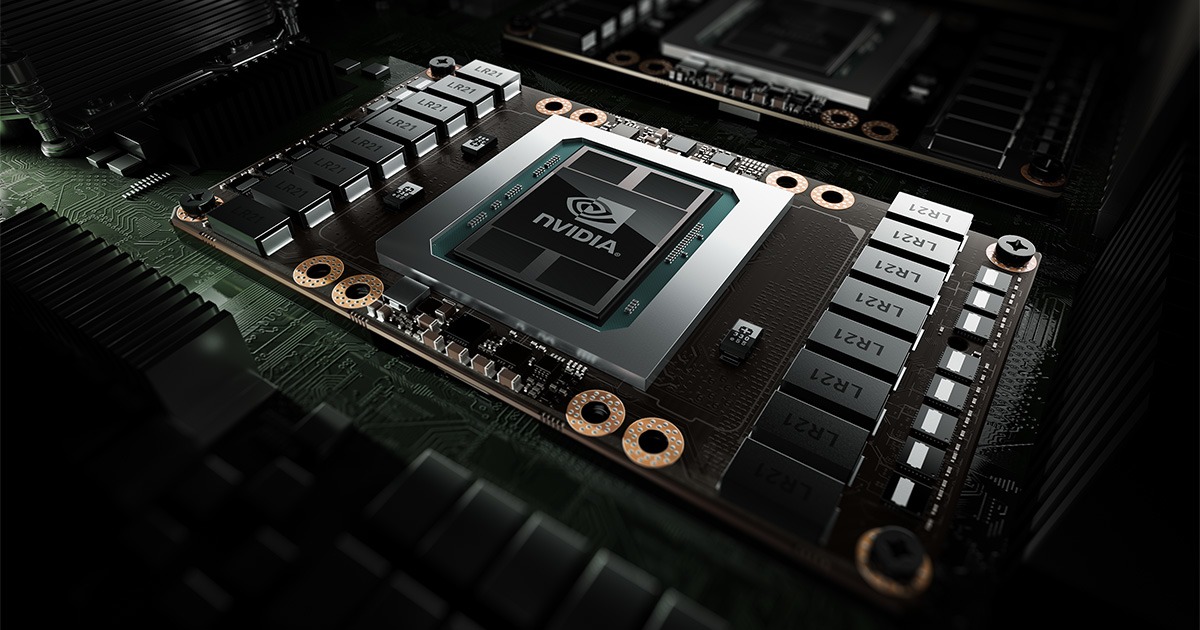
The spending goes toward data centers, specialized chips from Nvidia and others, cooling systems for all that computing power, and the electricity to run it all. Some companies are even building their own power plants because existing grid capacity can't handle the load.
Here's what makes this different from previous tech buildouts: the timeline for returns is unclear. When companies invested heavily in mobile during the smartphone revolution, there was an immediate business case—people were buying apps and ads on mobile devices. With AI, much of the spending is speculative, based on the belief that these capabilities will eventually transform entire industries.
What Each Company Needs to Prove
Microsoft has the easiest path forward in some ways. They can point to actual Azure revenue from AI workloads and Copilot subscriptions. But there's a problem lurking beneath the surface: adoption rates for Copilot have been underwhelming. Recent data shows more than half of organizations license it for only 10% of their workforce. That suggests people aren't finding it indispensable yet.
The company also needs to address its relationship with OpenAI, which has been diversifying away from exclusive Microsoft dependence. In response, Microsoft announced a $5 billion investment in Anthropic last November. That kind of defensive spending adds up, and investors want to know the strategy makes sense.
Meta faces the toughest questions. Their capital expenditures in 2026 could exceed $110 billion, yet they lack a cloud business to generate direct AI revenue. CEO Mark Zuckerberg has talked about seeing returns in the core business, but those returns need to be quantifiable. How much incremental advertising revenue comes from better AI? How does spending $100 billion move the needle on Meta's bottom line?
The company has been working on a new AI model internally called Avocado, but it's not clear how that translates into profit. Investors increasingly want concrete numbers, not vague promises about future capabilities.
Apple is in an interesting position. They just announced a major partnership with Google to use Gemini models for a Siri overhaul. That's a smart move that lets them tap into cutting-edge AI without building everything from scratch. But it also raises questions about whether Apple is falling behind in AI development.
The iPhone 17 launch will be crucial. Early buzz suggests strong sales, but does the device have enough AI-powered features to justify its premium pricing? And more importantly, does Apple have a path to AI leadership, or are they content being a fast follower that integrates others' technology?
Tesla has its own unique situation. While other companies are building chatbots and cloud services, Tesla's AI story revolves around self-driving capabilities and robots. CEO Elon Musk has been selling investors on a vision where autonomous vehicles and humanoid robots create massive new revenue streams.
The problem? Tesla's automotive deliveries fell 8.6% in 2025, dropping from 1.79 million to 1.64 million vehicles. That core business weakness makes the AI promises feel more speculative. Investors also want clarity on whether Tesla's board plans to invest in Musk's separate AI company, xAI, which could raise obvious conflicts of interest.
The Broader Market Implications
This isn't just about four companies reporting numbers. The entire tech sector is watching because these earnings calls will set the tone for AI investment across the industry.
If Microsoft, Meta, and Apple deliver strong results and confident guidance, it validates the spending spree. Other companies will feel pressure to keep up or risk falling behind. But if any of them stumble—if the numbers don't justify the investment—it could trigger a broader reassessment of AI valuations across the market.
The Magnificent Seven stocks have already been underperforming. Over the past twelve months, the group has returned just 8.9% while the broader market has done better. Five of the seven members are now trailing the S&P 500, which is unusual for companies that have been market leaders for years.
Money has been rotating out of mega-cap tech and into other beneficiaries of AI spending. Memory chip makers, for instance, have surged more than 130% as companies buy massive amounts of specialized hardware. Infrastructure stocks have similarly outperformed as data center construction booms.
That rotation suggests investors are starting to bet on the suppliers rather than the end users of AI technology. It's reminiscent of the old Gold Rush saying—sometimes the people selling shovels make more money than the miners.
The ROI Question That Won't Go Away
The elephant in the room is return on investment. Companies are spending unprecedented amounts on AI, but when do they actually make that money back?
A survey found that 53% of investors expect positive ROI from AI investments in six months or less. That timeline might be unrealistic given the scale of infrastructure being built, but it reflects growing impatience. The days of "invest now, profit later" are ending. Wall Street wants to see results.
Some analysts argue we're still early in the cycle. They point out that as a percentage of GDP, current AI spending is well below the peak of previous tech buildouts like the late 1990s telecom boom. By that logic, there's room for spending to grow even further before it becomes excessive.
But others worry we're building too much capacity too fast. If AI application adoption is slower than expected, these companies could end up with massive data centers sitting underutilized by 2027. That would turn all this capital expenditure into a painful write-down.
What to Watch For This Week
Beyond the headline earnings numbers, here are the key things investors should focus on:
Capital expenditure guidance for 2026 - Are companies raising, maintaining, or lowering their spending plans? Any significant changes will move stocks.
Concrete revenue attribution to AI - Vague statements about AI improving products aren't enough anymore. Investors want dollar figures tied to AI features and capabilities.
Operating margin trends - Heavy spending should eventually lead to margin pressure. How are companies managing that trade-off between investment and profitability?
Customer adoption metrics - For B2B plays like Microsoft's Copilot, what percentage of customers are actually using these tools regularly?
Timeline to profitability - When do executives expect AI investments to become accretive to earnings? The answer will shape how much patience investors are willing to have.
The Stakes Couldn't Be Higher
These earnings calls matter more than usual because they'll determine whether the AI investment thesis holds up or starts to crack. Tech giants are betting their futures on artificial intelligence, and Wall Street is about to judge whether those bets make sense.
If the results are strong and the guidance is confident, we might see renewed enthusiasm for AI stocks heading into the rest of 2026. But if companies can't articulate clear paths to profitability despite spending hundreds of billions, we could see a significant correction in valuations.
The next few days will give us the first real glimpse into whether this massive buildout is justified or whether we're in the early stages of another tech bubble. For anyone invested in these companies—or trying to decide whether to be—this week's earnings are required viewing.
One thing's certain: the era of AI spending without serious scrutiny is over. From now on, every dollar invested needs to come with a credible story about how it turns into revenue. And that's probably a healthy development, even if it makes for some uncomfortable earnings calls in the short term.
References:
- CNBC Big Tech Earnings AI Spend Focus: cnbc.com/2026/01
- Zacks Investment Research Earnings Preview: finance.yahoo.com/news/microsoft-meta-tesla-apple-part-072700941.html