The cryptocurrency market today reflects a familiar pattern that seasoned investors have learned to respect—measured optimism mixed with short-term uncertainty. Prices across major digital assets are showing controlled movement rather than extreme swings, suggesting that the market is currently in a phase of consolidation rather than aggressive expansion or panic-driven selling. For both new and experienced participants, today’s market highlights why patience and education matter more than impulse.
Over the past few sessions, traders have been closely watching macroeconomic signals, regulatory commentary, and on-chain data. Unlike earlier years when crypto often moved independently, today’s market is more closely aligned with global financial sentiment. Interest rate expectations, inflation data, and equity market trends are playing a stronger role in shaping investor behavior.
Bitcoin Sets the Market Tone
Bitcoin continues to act as the anchor of the crypto market. Today, its price action appears relatively stable, with buyers and sellers maintaining a narrow range. This kind of movement often indicates that market participants are waiting for a catalyst—either economic news or a strong technical breakout—before committing to larger positions.
What stands out is the absence of panic selling. Long-term holders appear confident, as reflected in on-chain metrics that show reduced movement of older coins. This suggests that many investors are viewing current levels as accumulation zones rather than exit points. While short-term traders may find fewer opportunities in a sideways market, long-term investors often see such phases as structurally healthy.
Ethereum and the Broader Altcoin Space
Ethereum’s performance today mirrors the broader altcoin market: selective strength rather than across-the-board rallies. Projects with strong fundamentals, active development, and real-world use cases are holding their value better than speculative tokens. This shift reflects a more mature market, where capital is gradually moving away from hype-driven assets toward ecosystems with long-term viability.
Layer-2 solutions, decentralized finance platforms, and infrastructure-focused projects are seeing steady interest. Meanwhile, low-utility meme tokens are experiencing reduced trading volumes, signaling a cooling of speculative excess. This does not mean speculation has disappeared, but it is becoming more selective and informed.
Market Sentiment and Investor Behavior
Sentiment today can best be described as cautious but constructive. Fear levels are relatively low, yet enthusiasm is tempered by awareness of macro risks. Investors are no longer reacting impulsively to every headline. Instead, many are choosing to wait, observe, and reassess their strategies.
This behavioral shift is important. It shows that crypto market participants are learning from past cycles, where emotional trading often led to sharp losses. Education is playing a larger role in decision-making, with more investors relying on data, research, and long-term planning rather than social media signals.
Influence of Macroeconomic Factors
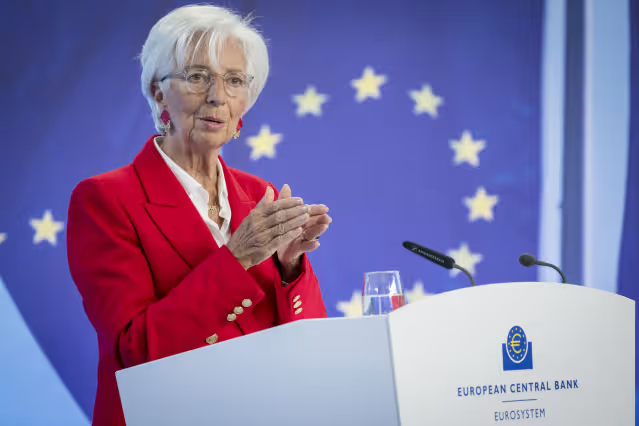
Today’s crypto market cannot be analyzed in isolation. Global economic conditions continue to influence price direction. Central bank policies, especially around interest rates, remain a key driver. When rates are expected to stay high, risk assets like cryptocurrencies often experience slower momentum. Conversely, signs of easing monetary conditions can quickly reignite bullish sentiment.
Geopolitical stability and currency market movements are also being watched closely. In regions facing inflation or currency devaluation, crypto continues to attract interest as an alternative store of value. This underlying demand provides long-term support, even when short-term price action appears muted.
Regulatory Developments and Market Confidence
Regulation remains a defining theme in today’s market. While uncertainty still exists, clearer frameworks in several major economies are gradually improving confidence. Rather than reacting negatively, markets are beginning to price in regulation as a sign of maturity and legitimacy.
Investors are paying close attention to compliance-focused exchanges and transparent projects. This trend suggests that regulatory clarity, even if strict, may ultimately strengthen the ecosystem by reducing fraud and increasing institutional participation.
Volatility as a Learning Opportunity
Although today’s market is relatively calm, volatility remains an inherent feature of crypto. Sudden price movements can still occur due to news, large trades, or technical breakouts. Instead of fearing volatility, educated investors use it as a learning and strategic opportunity.
Periods like today—where the market is neither euphoric nor fearful—are often ideal for refining strategies, reviewing portfolios, and strengthening understanding of market dynamics. This is when disciplined habits are built, not during emotional extremes.
What Today’s Market Teaches Investors
The current market environment reinforces several important lessons. First, crypto is no longer just about rapid gains; it is about informed participation. Second, patience often outperforms constant trading. Third, education remains the strongest tool an investor can have, especially when headlines are quiet and hype is low.
For beginners, today’s market offers a chance to learn without the pressure of extreme volatility. For experienced participants, it is a reminder that sustainable growth is built during calm periods, not just during rallies.
Conclusion
Today’s crypto market reflects a maturing ecosystem shaped by global economics, evolving regulation, and more educated participants. While prices may not be making dramatic moves, the underlying structure appears stable and constructive. This phase rewards patience, research, and long-term thinking.
Rather than asking when the next big rally will begin, a more valuable question today is how prepared investors are for the future. In crypto, those who use quieter markets to learn and adapt are often best positioned when momentum eventually returns.