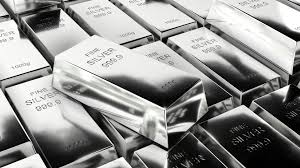
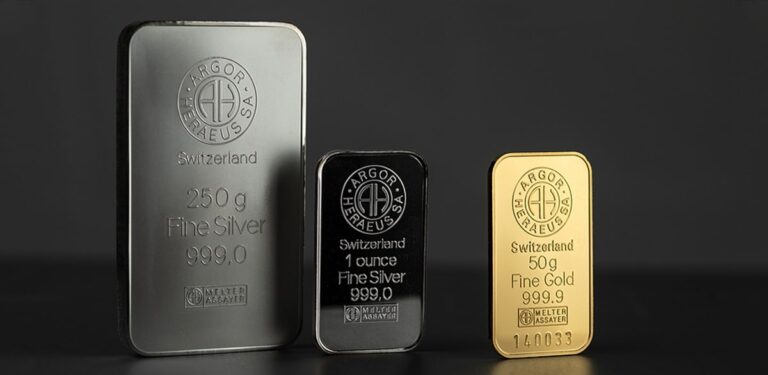
In early 2026, silver prices have shattered records both globally and in India, driven by a powerful mix of macroeconomic shifts, geopolitical tension, investment demand, and structural supply-demand imbalances. What was once a relatively muted commodity compared to gold has now emerged as one of the top performers in global financial markets, attracting attention from traders, investors, and analysts around the world.
Current Price Levels and Recent Performance
In January 2026, silver reached unprecedented levels:
-
In the international market, silver reportedly hit a lifetime high near $95 per troy ounce — levels never seen before in modern trading.
-
In India, silver crossed ₹3 lakh per kilogram, with prices as high as ₹3.18 310/kg recorded during a trading session. Moments of ₹3.3 lakh/kg have also been reported.
This represents a dramatic rally compared to early 2025: silver’s domestic price was around ₹96,500 per kg in January 2025, meaning the metal has appreciated by over 230% in roughly one year.
Even over the past month, silver prices climbed roughly 33% internationally, highlighting the rapid pace of this rally.
This explosive growth has positioned silver as one of the best-performing commodities of the era.
Why Are Silver Prices Rising So Sharply?
Several interconnected forces are driving silver’s surge: macroeconomic uncertainty, investment demand, industrial needs, geopolitical tensions, supply constraints, and currency movements.
1. Macroeconomic and Safe-Haven Demand
One of the strongest drivers of silver’s rally is investor demand for safe assets amid global economic uncertainty. When markets face turbulence, investors often shift capital from risk-assets (like equities) and fiat currencies into tangible stores of value like gold and silver.
This trend accelerated in 2025 and continued into 2026, with precious metals outperforming many traditional assets. Silver’s rally in early 2026 was partly fueled by broader market stress and concerns over global debt, inflation, and currency stability.
Silver’s dual nature — both a precious metal and an industrial commodity — means it attracts a wider investor base than gold alone. In periods of concern about currency values or banking stress, silver becomes a favored hedge due to its long history as a store of value.
2. Geopolitical Tensions and Risk Premium
Geopolitical uncertainty continues to push investors toward precious metals. Recent tensions between global powers, trade disputes, and tariff threats — such as fears around U.S. tariff actions on Europe — have heightened risk aversion among global investors. These developments directly increased demand for safe-haven assets like silver.
This flight to safety has been accentuated by broader conflict risks and global strategic rivalries, which keep precious metal markets on high alert.
3. Industrial Demand Strengthening Prices
Unlike gold, a significant portion of silver demand is industrial. Silver is widely used in:
-
Solar photovoltaic (PV) panels
-
Electric vehicles (EVs)
-
Semiconductors and electronics
-
Medical and water purification technologies
The rapid growth in renewable energy and electric mobility has significantly boosted silver’s industrial consumption, pushing demand higher even as supply struggles to keep up. This structural shift creates persistent upward pressure on prices.
4. Supply Constraints and Structural Imbalances
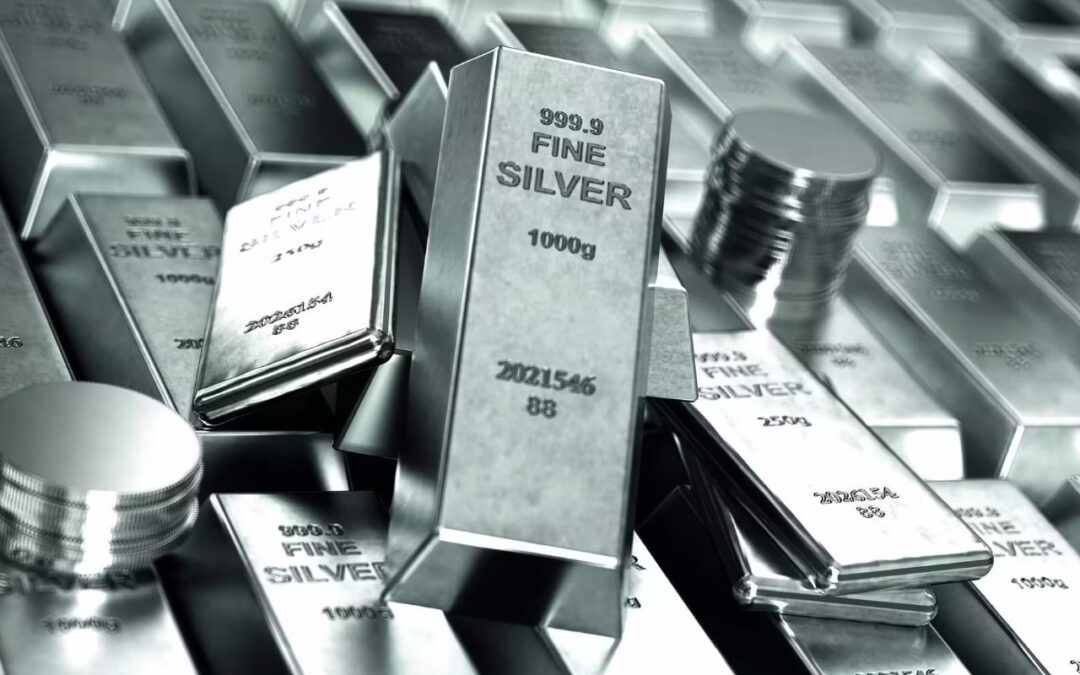
Silver’s supply dynamics are unique: over 70% of silver is produced as a by-product from mining other metals like copper, lead, and zinc. This means silver supply cannot easily expand in response to price increases alone, making it less elastic than many other commodities.
Additionally, inventories in major exchanges (e.g., COMEX and London bullion markets) have tightened significantly, leading to physical shortages and compelling buyers to secure the metal at higher premiums.
In markets like India and China, heavy buying has even depleted warehoused stocks, contributing to the price acceleration.
5. Currency Effects — Weak Dollar and Rupee Pressure
A weaker U.S. dollar historically correlates with higher silver and gold prices. As the dollar loses purchasing power, commodities priced in dollars become cheaper for foreign buyers, boosting global demand. This trend has been visible with a weaker dollar and expectations of continued monetary easing by central banks, including potential rate cuts.
In India, the weakening rupee against the dollar translates into higher local prices for imported commodities like silver, as import costs rise. This currency effect magnifies domestic price escalation.
Recent reports highlight the Indian rupee’s slide to new lows, which adds pressure on silver and gold premiums locally.
6. Investor Inflows and ETF Demand
Exchange-traded funds (ETFs) and other investment vehicles have seen strong inflows from both retail and institutional investors. This trend reflects a broader shift into real assets and away from speculative equities, especially after years of strong tech sector performance has cooled. Retail investor interest in metals has reached levels not seen in decades.
In the Australian, U.S., and global markets, silver-related ETFs have absorbed significant capital, adding to upward price pressure.

Is This Rally Sustainable? What Analysts Say
While silver’s rise has been historic, analysts caution against assuming a straight line upward forever:
-
Volatility Risk: Silver is far more volatile than gold and can see rapid price swings. Sharp rallies are often followed by pullbacks or consolidation periods.
-
Mean Reversion: After dramatic gains, prices may cool or stabilize rather than continue upward indefinitely.
-
Heightened Premiums: Increased premiums in local markets — such as India — can slow retail demand if investors or buyers hesitate at elevated price points.
Despite these risks, structural drivers — like continued industrial demand, tight supplies, and safe-haven investment demand — support the case for strong medium-term fundamentals.
Moreover, forecasts from market intelligence sources suggest that silver could continue to rise throughout 2026, with some estimates even speculating further record levels by year-end in both domestic and global markets.
Conclusion: Why Silver Prices Have Skyrocketed
In summary, the historic rise in silver prices in 2026 stems from a confluence of factors:
-
Safe-haven investment demand amid global uncertainty
-
Geopolitical tensions fueling risk premiums
-
Strong industrial demand from green and tech sectors
-
Supply constraints and inventory shortages
-
Currency effects, especially a weakening dollar and rupee
-
Increased investment inflows into silver ETFs and bullion
These elements combined have produced one of the most remarkable commodity rallies in recent memory, making silver a central story in financial markets in early 2026.
For investors and market watchers, understanding both the quantitative data and the macro drivers behind this trend is essential to navigating what remains a volatile but historically significant phase in the metals market.