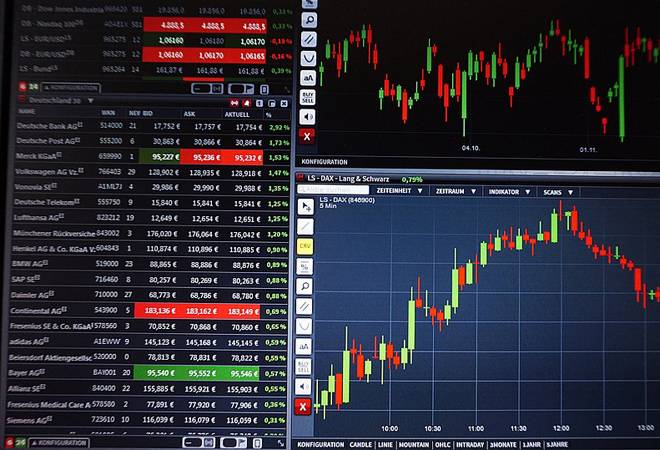
The global online brokerage industry is evolving at a rapid pace. Driven by retail investor growth, zero-commission models, advanced trading technology, and global market access, broker platforms are competing aggressively to attract both beginners and professional traders. As we move through 2025–2026, rankings of global brokers are increasingly shaped not just by pricing, but by platform reliability, research depth, international access, and regulatory trust.
This article covers the latest news, rankings, and trends shaping global broker platforms, helping investors and traders understand where the industry is heading.
The Current State of Global Online Brokerage Platforms
Over the last few years, online brokers have transitioned from simple order-execution tools to full-fledged financial ecosystems. Today’s leading platforms offer real-time analytics, advanced charting, AI-driven insights, fractional investing, and seamless mobile experiences.
Retail participation continues to rise globally, particularly in the US, Europe, and emerging Asian markets. This growth has pushed brokers to prioritize scalability, uptime, and transparent pricing, while regulators demand stronger compliance and investor protection.
Top Global Broker Platforms Ranked
Charles Schwab
Charles Schwab consistently ranks as one of the best overall online brokers worldwide. The platform is known for its strong research tools, stable infrastructure, excellent customer support, and long-term investment focus. Schwab appeals to both beginners and seasoned investors looking for reliability and depth.
Fidelity Investments
Fidelity Investments is widely regarded as a leader in research-driven investing and retirement solutions. Its trading platform combines ease of use with institutional-grade insights, making it especially popular among long-term investors and portfolio builders.
Interactive Brokers (IBKR)
Interactive Brokers dominates rankings for international and professional trading. With access to more than 90 global markets, multi-currency accounts, and ultra-low margins, IBKR is the preferred choice for advanced traders, hedge funds, and global investors.
E*TRADE
E*TRADE remains a strong contender for active traders. Its desktop tools, customizable dashboards, and options-trading capabilities keep it relevant despite growing competition from newer platforms.
Webull
Webull has built a strong reputation among day traders and short-term investors. The platform offers commission-free trading, extended market hours, and advanced technical indicators, all packed into a mobile-first experience.
Robinhood
Robinhood continues to dominate the beginner and mobile-first trading segment. Its simplified interface and zero-commission structure have reshaped the brokerage industry, even though the platform is now focusing more on stability, education, and compliance.
Rankings by Investor Type
Best Brokers for Beginners
Platforms like Robinhood, Fidelity, and Charles Schwab rank highest for new investors due to intuitive interfaces, educational content, and low entry barriers. Simplicity and trust remain key factors in this category.
Best Brokers for Active & Day Traders
Webull, E*TRADE, and Interactive Brokers lead in this segment. Advanced charting, fast execution, and customizable tools make these platforms suitable for frequent trading strategies.
Best Brokers for International Trading
Interactive Brokers clearly stands out thanks to its unmatched global market access, multi-currency support, and professional-grade trading infrastructure.
Best Brokers for Long-Term & Retirement Investing
Fidelity and Charles Schwab dominate rankings for retirement planning, portfolio management, and advisory services, offering stability and deep research resources.
Major Global Broker Platform Trends
One of the most important trends in 2025–2026 is the shift toward platform ecosystems. Brokers are no longer focused only on trading; they now integrate banking, wealth management, education, and analytics into a single experience.
Another major trend is the rise of AI and data-driven tools. Many global brokers are introducing AI-powered insights, risk alerts, and portfolio optimization features to help investors make more informed decisions.
Regulatory tightening is also shaping platform rankings. Brokers with strong compliance records, transparent disclosures, and stable infrastructure are gaining investor trust, while weaker platforms face scrutiny and declining usage.
Platform Stability and Technology as Ranking Factors
Recent market volatility has highlighted the importance of uptime and execution reliability. Brokers that experienced outages during high-volume trading sessions saw reputational damage, directly affecting rankings and user growth.
As a result, top-ranked global brokers are heavily investing in cloud infrastructure, cybersecurity, and real-time monitoring systems to ensure uninterrupted trading experiences.
What These Rankings Mean for Investors
For investors, broker rankings are no longer just about the lowest fees. Platform trust, global access, quality of research, and long-term viability now matter more than ever. Choosing the right broker depends on individual goals—whether that is long-term wealth creation, active trading, or global diversification.
Final Thoughts
The global brokerage landscape in 2025–2026 is more competitive and sophisticated than ever before. Established players like Charles Schwab and Fidelity continue to dominate overall rankings, while platforms like Interactive Brokers lead in professional and global trading. At the same time, mobile-first platforms such as Robinhood and Webull continue to shape retail investing behavior worldwide.
As technology advances and regulations evolve, broker rankings will increasingly favor platforms that balance innovation, stability, transparency, and investor education. For traders and investors alike, staying informed about these trends is essential to making smarter financial decisions.